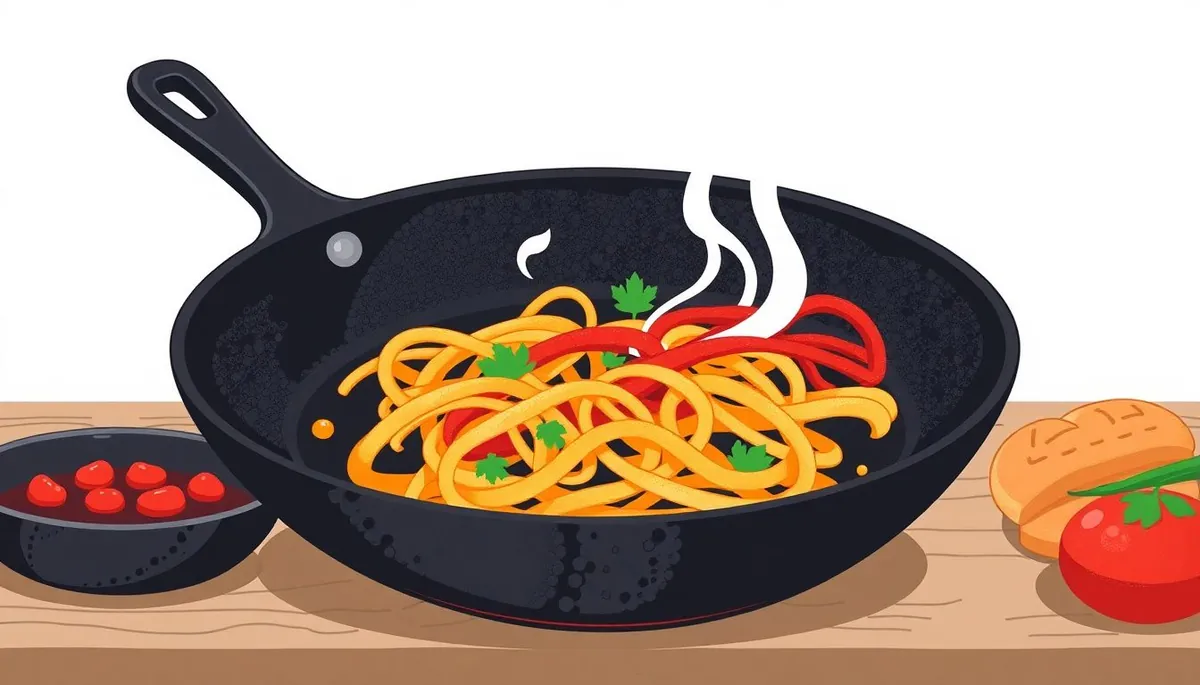
Cast Iron Skillet vs. Wok: Which Is Best for Asian Cuisine?
The question of whether a cast iron skillet or a wok is better for cooking Asian cuisine sparks heated debates among home cooks and professional chefs alike. Both offer unique advantages, and the “best” choice often depends on the specific dish, cooking style, and even your stovetop. This article delves into the pros and cons of each, helping you decide which is the right tool for your Asian culinary adventures.
Understanding the Essentials: Heat and Technique
Before diving into the skillet vs. wok debate, it’s crucial to understand the core principles behind successful Asian cooking: high heat and proper technique. Many Asian dishes, particularly stir-fries, rely on intense heat to quickly sear ingredients, locking in flavors and creating a desirable texture. The cooking process often involves tossing and moving food within the pan to ensure even cooking and prevent burning.
What Makes a Good Pan for Asian Cooking?
- High Heat Capacity: The pan needs to withstand and maintain very high temperatures.
- Even Heat Distribution: Crucial for consistent cooking, preventing hot spots.
- Responsiveness: The ability to quickly adjust to temperature changes.
- Shape: The shape should facilitate tossing and quick cooking of ingredients.
- Seasoning (for iron pans): A well-seasoned surface prevents sticking and adds flavor.
- Size: Large enough to accommodate ingredients without overcrowding.
The Cast Iron Skillet: A Versatile Workhorse
Cast iron skillets are renowned for their exceptional heat retention and durability. They can withstand extreme temperatures, making them suitable for searing, frying, and even baking. However, their shape and heat distribution can present challenges when cooking certain Asian dishes.
Pros of Using a Cast Iron Skillet for Asian Cuisine
- Excellent Heat Retention: Cast iron retains heat exceptionally well, which is beneficial for maintaining consistent cooking temperatures, especially when adding cold ingredients to the pan.
- Versatility: Cast iron skillets can be used for a wide range of cooking methods, from stir-frying to deep-frying. You can even finish dishes in the oven. A Lodge Seasoned Cast Iron Skillet, 12-inches is a great all-around option.
- Durability: Cast iron skillets are incredibly durable and can last for generations with proper care.
- Seasoning: A well-seasoned cast iron skillet provides a natural, non-stick surface that improves with age.
- Induction Compatibility: Cast iron works flawlessly on induction cooktops.
Cons of Using a Cast Iron Skillet for Asian Cuisine
- Uneven Heat Distribution: Unless preheated properly and for a sufficient amount of time, cast iron can have hot spots, especially on gas stoves. The sloped sides of a wok promote ingredients rising to cooler temperatures, preventing burning.
- Weight: Cast iron skillets are heavy, making it difficult to toss and maneuver ingredients as easily as with a wok.
- Shape: The flat bottom and straight sides of a skillet aren’t ideal for stir-frying, as they don’t allow for efficient tossing and movement of food.
- Slow to Heat Up: Cast iron takes longer to heat than other materials, like carbon steel.
- Can be Too Hot: For some delicate Asian dishes, the extremely high heat capacity of cast iron can be overkill.
Cast Iron Skillet Techniques for Asian Cooking
Despite its limitations, a cast iron skillet can be used effectively for certain Asian dishes.
- Searing and Pan-frying: Cast iron is excellent for searing meats and vegetables, creating a flavorful crust.
- Shallow Frying: The heat retention of cast iron makes it ideal for maintaining consistent oil temperatures when shallow frying.
- One-Pan Meals: Cast iron skillets can be used to cook entire meals, such as fried rice or noodle dishes.
- Preheating is Key: Ensure the skillet is thoroughly preheated before adding any ingredients. Start on medium heat and gradually increase to high. This is crucial for even heat distribution.
- Use High Smoke Point Oils: Choose oils with high smoke points, such as peanut oil or canola oil, to prevent burning.
- Don’t Overcrowd: Cook ingredients in batches to avoid lowering the temperature of the skillet.
The Wok: Designed for Asian Stir-Frying
Woks are specifically designed for Asian cooking, particularly stir-frying. Their rounded bottom and sloping sides facilitate efficient tossing and even cooking. While traditionally made from carbon steel, cast iron woks are also available, offering a blend of both materials’ properties.
Pros of Using a Wok for Asian Cuisine
- Excellent for Stir-Frying: The rounded bottom and sloping sides allow for easy tossing and movement of ingredients, ensuring even cooking.
- Even Heat Distribution (with proper technique): The shape allows ingredients to move up the sides, utilizing different heat zones and preventing burning.
- Quick Heating (carbon steel woks): Carbon steel woks heat up quickly, allowing for rapid cooking.
- Large Surface Area: The wide mouth of a wok provides a large surface area for cooking multiple ingredients at once.
Cons of Using a Wok for Asian Cuisine
- Requires a Wok Ring (for flat stovetops): A wok ring is necessary to stabilize the wok on flat stovetops, especially electric and induction.
- Learning Curve: Mastering the art of stir-frying in a wok takes practice and skill.
- Maintenance (carbon steel woks): Carbon steel woks require careful seasoning and maintenance to prevent rusting.
- Cast Iron Woks Can be Heavy: Cast iron woks share the weight disadvantage of cast iron skillets.
- Not Ideal for All Asian Dishes: While great for stir-fries, woks aren’t as versatile for other cooking methods like braising or baking.
Wok Techniques for Asian Cooking
- “Wok Hei”: This refers to the elusive “breath of the wok,” a smoky, charred flavor achieved through high-heat stir-frying.
- Proper Tossing Technique: Use a spatula or wok shovel to toss ingredients quickly and efficiently, ensuring even cooking.
- Adding Ingredients in Stages: Add ingredients in order of their cooking time, starting with those that require the longest cooking time.
- High Heat is Essential: Woks are designed for high-heat cooking, so don’t be afraid to crank up the heat.
- Preheat the Wok: Before adding oil, preheat the wok until it’s smoking hot.
- Use a Wok Spatula: A wok spatula is designed with a curved edge to match the shape of the wok, making it easier to scoop and toss ingredients.
Making the Choice: Skillet or Wok?
So, which is better: a cast iron skillet or a wok for Asian cuisine? The answer, as with most culinary questions, is “it depends.”
-
Choose a Cast Iron Skillet if:
-
You want a versatile pan that can be used for a variety of cooking methods.
-
You value heat retention and even cooking temperatures.
-
You primarily sear or pan-fry ingredients.
-
You want a durable pan that will last for generations.
-
You are on a budget. A Lodge Seasoned Cast Iron Skillet, 10.25-inches is an incredibly affordable and useful tool.
-
Choose a Wok if:
-
You primarily stir-fry.
-
You want a pan that facilitates easy tossing and movement of ingredients.
-
You prioritize achieving “wok hei.”
-
You’re willing to invest in a specialized tool for Asian cooking.
Ultimately, the best way to decide is to experiment with both and see which you prefer. You might even find that having both a cast iron skillet and a wok in your kitchen provides the most versatility for your culinary needs. No matter which you choose, remember to focus on mastering the techniques and understanding the principles of Asian cooking.
