CAST IRON COOKWARE, TESTED
Cast Iron Dutch Oven vs. Slow Cooker: Which is Right for You?
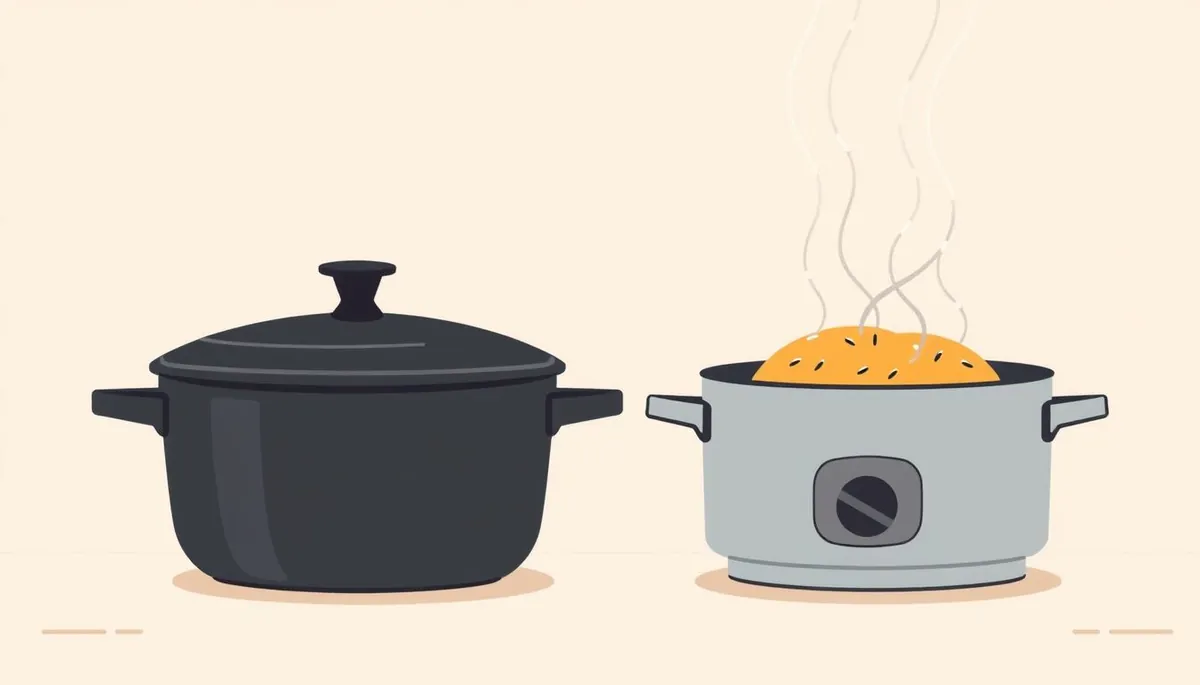
Cast iron Dutch ovens and slow cookers: both promise hands-off cooking and tender, flavorful results. But deciding between a cast iron dutch oven vs slow cooker can be tricky. One is a versatile workhorse, the other a countertop appliance dedicated to low-and-slow.
This guide breaks down the key differences, covering versatility, cooking style, and cleanup, to help you choose the right tool for your kitchen. We’ll cut through the marketing hype and give you the straight facts based on our experience seasoning, cooking, and (sometimes) struggling to clean both.
Every pan bought at retail. Tested 60 days minimum. Seasoned, abused, recovered. No manufacturer samples and no sponsorships.
Versatility: One Pot to Rule Them All?
This is where the cast iron Dutch oven really shines. A good Dutch oven can handle a wider range of cooking tasks than a slow cooker ever could.
Cast Iron Dutch Oven: The Multi-Tasker
- Browning and Searing: Cast iron excels at high-heat cooking. You can sear meat directly in the Dutch oven before braising, building deeper flavor without needing a separate pan. Slow cookers can’t reach those temperatures.
- Baking: Dutch ovens are fantastic for baking bread, especially sourdough. The even heat distribution and tight-fitting lid create a steamy environment, resulting in a crisp crust and soft interior.
- Deep Frying: With enough oil, a Dutch oven becomes a capable deep fryer. Its thick walls maintain a stable temperature, crucial for crispy, evenly cooked food.
- Stovetop Cooking: From simmering sauces to sautéing vegetables, a Dutch oven works well on any stovetop, including induction. This is a big advantage over slow cookers, which are limited to slow cooking. We’ve even found them invaluable for making large batches of chili on gas cooktops during testing. Need a reliable workhorse? The /products/b00063rwyi-lodge-cast-iron-dutch-oven-5-quart-loop-handle-cooking-vesse/ is a solid option.
- Camping: Camp Dutch ovens, like the /products/b00063rx2e-lodge-seasoned-cast-iron-camp-dutch-oven-with-lid-10-quart-d/, are designed for cooking over an open fire with legs for stability and a flanged lid for holding coals.
Slow Cooker: The One-Trick Pony
- Slow Cooking: This is what slow cookers are designed for, and they do it well. They maintain a consistent low temperature for hours, perfect for tenderizing tough cuts of meat and developing deep flavors.
- Convenience: The “set it and forget it” nature of slow cookers is a major selling point. You can load it up in the morning and come home to a ready-to-eat meal.
Verdict: The Dutch oven is the clear winner in terms of versatility. It’s a true multi-purpose tool that can handle almost any cooking task.
Cooking Style: High Heat vs. Low and Slow
The core difference between a cast iron dutch oven vs slow cooker lies in their cooking style.
Cast Iron Dutch Oven: Control and Precision
- Temperature Control: Cast iron responds well to temperature changes, giving you more control over the cooking process. You can adjust the heat as needed to achieve the desired results.
- Moisture Retention: The heavy lid of a Dutch oven creates a tight seal, trapping moisture and preventing food from drying out. This is ideal for braising and simmering.
- Even Heating: Cast iron distributes heat evenly, minimizing hot spots and ensuring consistent cooking. This is especially important when baking.
Slow Cooker: Hands-Off Automation
- Low and Slow: Slow cookers excel at maintaining a low, consistent temperature (usually between 200-300°F). This is perfect for breaking down tough proteins and connective tissues, resulting in incredibly tender meat.
- Hands-Off Cooking: Once you load the ingredients and set the timer, you can walk away and let the slow cooker do its thing. No need to constantly monitor the temperature or stir the food.
- Moisture Retention: Slow cookers also trap moisture, keeping food from drying out. However, this can sometimes lead to overly watery results, depending on the recipe.
Verdict: If you value control and precision, the Dutch oven is the better choice. If you prioritize convenience and hands-off cooking, a slow cooker might be more appealing.
Cleanup and Maintenance: The Sticky Truth
Cast iron and slow cookers have very different cleanup requirements.
Cast Iron Dutch Oven: The Seasoning Factor
- Seasoning: Cast iron requires seasoning to prevent rust and create a non-stick surface. This involves coating the pan with oil and baking it at high heat. Proper seasoning is crucial for easy cleanup. Check out some of our guides to seasoning if you’re new to cast iron.
- Hand Washing: Cast iron should always be hand-washed. Avoid using soap unless absolutely necessary, as it can strip the seasoning. Use a stiff brush or scraper to remove food particles, then dry the pan thoroughly and lightly oil it.
- Re-Seasoning: Over time, the seasoning on cast iron can wear away. You may need to re-season the pan periodically to maintain its non-stick properties.
- Weight: Dutch ovens are heavy, especially when filled with food. This can make them difficult to lift and maneuver, especially when cleaning.
Slow Cooker: The Ceramic Conundrum
- Removable Crock: Most slow cookers have a removable ceramic crock that’s easy to clean. Many are even dishwasher-safe, though hand washing is generally recommended to prolong its lifespan.
- Stickiness: Food can sometimes stick to the bottom of the crock, especially if the recipe contains a lot of sugar or starch.
- Base Unit: The base unit of a slow cooker should never be submerged in water. Simply wipe it down with a damp cloth to remove any spills or splatters.
Verdict: Slow cookers are generally easier to clean than cast iron Dutch ovens. However, the seasoning process for cast iron becomes easier and less frequent with use.
Cost and Longevity: An Investment in the Future
Finally, let’s consider the cost and lifespan of each option.
Cast Iron Dutch Oven: Heirloom Quality
- Initial Cost: Cast iron Dutch ovens can range in price from affordable (like Lodge) to very expensive (like Le Creuset). However, a well-cared-for cast iron Dutch oven can last for generations.
- Durability: Cast iron is incredibly durable and can withstand high temperatures and rough handling. It’s unlikely to break or warp, even after years of use.
- Resale Value: High-end cast iron brands retain their value well and can be resold for a significant portion of their original price.
Slow Cooker: Appliance Lifespan
- Initial Cost: Slow cookers are generally less expensive than cast iron Dutch ovens.
- Lifespan: Slow cookers are appliances with a limited lifespan. The heating element can fail over time, and the ceramic crock can crack or chip. Expect to replace a slow cooker every few years.
- Resale Value: Slow cookers have little to no resale value.
Verdict: While the initial cost of a cast iron Dutch oven may be higher, its durability and longevity make it a worthwhile investment. A slow cooker is a more budget-friendly option, but you’ll likely need to replace it eventually.
In Conclusion:
Choosing between a cast iron dutch oven vs slow cooker depends on your cooking style, budget, and priorities.
- Choose a cast iron Dutch oven if: You value versatility, temperature control, and durability. You’re willing to invest in a piece of cookware that will last a lifetime (or longer).
- Choose a slow cooker if: You prioritize convenience and hands-off cooking. You’re looking for a budget-friendly option for slow cooking.
Ultimately, the best choice is the one that fits your needs and cooking habits. If you’re still unsure, consider starting with a Dutch oven. Its versatility allows you to explore a wide range of cooking techniques, and you can always add a slow cooker to your kitchen later on if you find that you need one.
