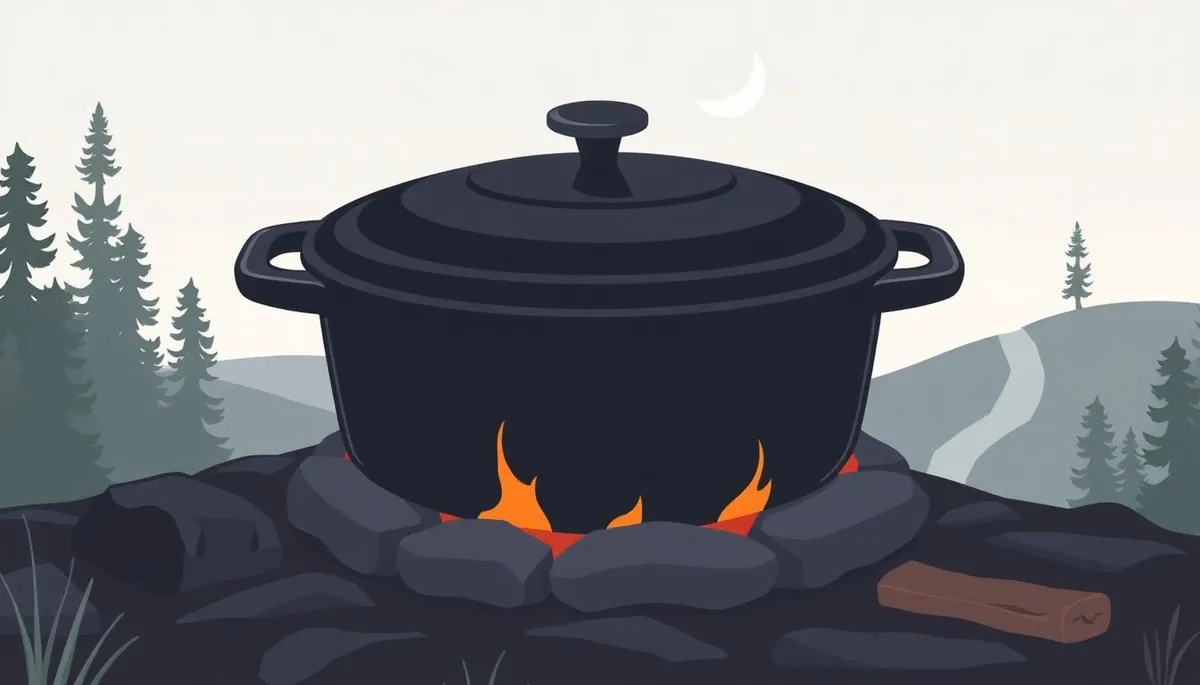
Cast Iron Dutch Oven for Camping: Selecting the Right Size and Style
Cast iron should outlive you. Most modern pieces won’t. But a well-chosen cast iron dutch oven camping companion will become a treasured piece of your outdoor cooking gear, capable of whipping up stews, breads, and even desserts over an open fire. But with so many sizes, styles, and features available, selecting the right one can feel overwhelming. This guide will break down the key considerations to ensure you choose the perfect Dutch oven for your camping needs, from solo trips to family feasts.
Why Choose Cast Iron for Camping?
Before diving into specifics, let’s quickly recap why cast iron remains a top choice for campfire cooking:
- Durability: Cast iron is virtually indestructible. It can withstand the high heat of a campfire and years of rugged use.
- Heat Retention: Cast iron excels at distributing and retaining heat evenly, preventing hot spots and ensuring consistent cooking.
- Versatility: Dutch ovens can be used for everything from baking and braising to frying and stewing.
- Tradition: There’s a certain romance to cooking with cast iron over an open fire, connecting you to generations of outdoor cooks.
Determining the Right Size: How Many Mouths to Feed?
The first, and arguably most important, factor is size. A Dutch oven that’s too small will leave you with hungry campers, while one that’s too large will be heavy and inefficient. Here’s a general guideline:
- Solo/Couple: A 2-4 quart Dutch oven is ideal for one or two people. This size is perfect for smaller meals like stews, chili, or cobblers.
- Small Family (3-4 people): A 5-6 quart Dutch oven is a good all-around choice. It’s versatile enough for most camping recipes and won’t be too cumbersome to transport. A /products/b00063rwyi-lodge-cast-iron-dutch-oven-5-quart-loop-handle-cooking-vesse/ is a good example.
- Large Family/Group (5+ people): An 8-10 quart Dutch oven is necessary to feed a larger group. This size is best suited for pot roasts, large batches of chili, or baking bread. A 10-quart Dutch oven like the /products/b00063rx2e-lodge-seasoned-cast-iron-camp-dutch-oven-with-lid-10-quart-d/ is a solid option.
Pro Tip: Consider the types of meals you plan to cook most often. If you primarily make stews and soups, a slightly taller Dutch oven might be preferable. If you plan on baking bread, a wider, shallower oven could be a better choice.
Weight Considerations
Remember, cast iron is heavy! A larger Dutch oven can easily weigh 20+ pounds, even before you add food. Consider the weight you’re willing to carry, especially if you’re backpacking or hiking to your campsite. If weight is a major concern, you might consider bringing a smaller Dutch oven and supplementing with other lightweight cooking gear like a /products/b00006jsua-lodge-seasoned-cast-iron-skillet-10-25-inches-pfas-free-non/.
Choosing the Right Style: Legs, Lids, and More
Beyond size, there are several stylistic and functional differences to consider when selecting a cast iron dutch oven camping model.
Legged vs. Legless
- Legged Dutch Ovens (Camp Dutch Ovens): These ovens have three legs that elevate them above the coals, allowing for even heat distribution when cooking over an open fire. The legs also provide stability on uneven surfaces. This is generally the preferred style for camping, especially when cooking directly on the coals.
- Legless Dutch Ovens (Kitchen Dutch Ovens): These ovens have a flat bottom and are designed for use on a stovetop or in an oven. While they can be used for camping, they require a separate stand or trivet to elevate them above the coals. They are also less stable on uneven terrain.
For camping, a legged Dutch oven is almost always the better choice.
Lid Design
- Flanged Lids: These lids have a raised edge (flange) around the perimeter, designed to hold hot coals on top of the oven for even baking. This is crucial for baking bread or desserts in a Dutch oven.
- Flat Lids: While functional, flat lids don’t allow for placing coals on top, limiting their baking capabilities.
- Dual-Purpose Lids: Some Dutch ovens, like the /products/b0009jkg9m-lodge-cast-iron-combo-cooker-pfas-free-2-in-1-3-2-quart-deep/, feature lids that can also be used as a skillet or griddle. This can be a great space-saving option for camping.
If you plan on baking, a flanged lid is essential.
Other Features
- Bail Handle: A sturdy bail handle is crucial for lifting and moving a hot Dutch oven. Look for a handle that’s comfortable to grip, even with gloves.
- Helper Handle: A small helper handle on the opposite side of the bail handle can make lifting and maneuvering a heavy Dutch oven easier.
- Pre-Seasoning: Most modern Dutch ovens come pre-seasoned, but it’s still a good idea to build up the seasoning over time. We recommend three coats of flaxseed or grapeseed oil, baked on, as a base before cooking.
Material Matters: What to Look for in Cast Iron Quality
Not all cast iron is created equal. Here’s what to look for to ensure you’re getting a quality cast iron dutch oven camping companion:
- Smooth Surface: A smooth cooking surface is essential for preventing food from sticking and making cleanup easier. While vintage cast iron is often prized for its smoothness, modern manufacturing techniques have improved significantly. Run your hand over the cooking surface. It shouldn’t feel overly rough or gritty.
- Even Thickness: The walls and bottom of the Dutch oven should be of uniform thickness. This ensures even heat distribution and prevents hot spots.
- Tight-Fitting Lid: The lid should fit snugly on the oven, creating a good seal to trap heat and moisture. There should be minimal gaps around the edge.
- Reputable Brand: While there are many budget-friendly options available, investing in a reputable brand like Lodge often translates to better quality and durability.
Avoid These Red Flags
- Cracks or chips: Obvious damage is a no-go.
- Excessive rust: A little surface rust is normal and can be easily removed, but excessive rust can indicate neglect or poor quality.
- Rough, uneven surface: Indicates poor casting and will lead to sticking issues.
Maintaining Your Cast Iron Dutch Oven on the Trail
Proper maintenance is crucial for extending the life of your cast iron dutch oven camping companion. Here are some tips for keeping your Dutch oven in top condition:
- Clean Immediately After Use: While the oven is still warm (but not scalding), scrape out any food debris with a spatula or scraper.
- Wash with Hot Water: Use hot water and a non-abrasive sponge or brush to wash the oven. Avoid using soap unless absolutely necessary, as it can strip the seasoning.
- Dry Thoroughly: Dry the oven completely with a clean towel.
- Re-Season Lightly: Place the Dutch oven on a burner or in a warm oven to ensure it’s completely dry. Then, apply a thin layer of cooking oil (vegetable, canola, or grapeseed) to the entire surface, inside and out.
- Heat to Smoke Point: Heat the oiled Dutch oven in a 350-degree oven for about an hour. This will polymerize the oil and create a hard, protective layer.
- Store Properly: Store the Dutch oven in a dry place with the lid slightly ajar to allow for air circulation.
Dealing with Rust
If rust appears, don’t panic. Use steel wool or sandpaper to remove the rust, then re-season the oven as described above.
By following these guidelines, you can choose the perfect cast iron dutch oven camping companion and enjoy delicious campfire meals for years to come. Happy cooking!
