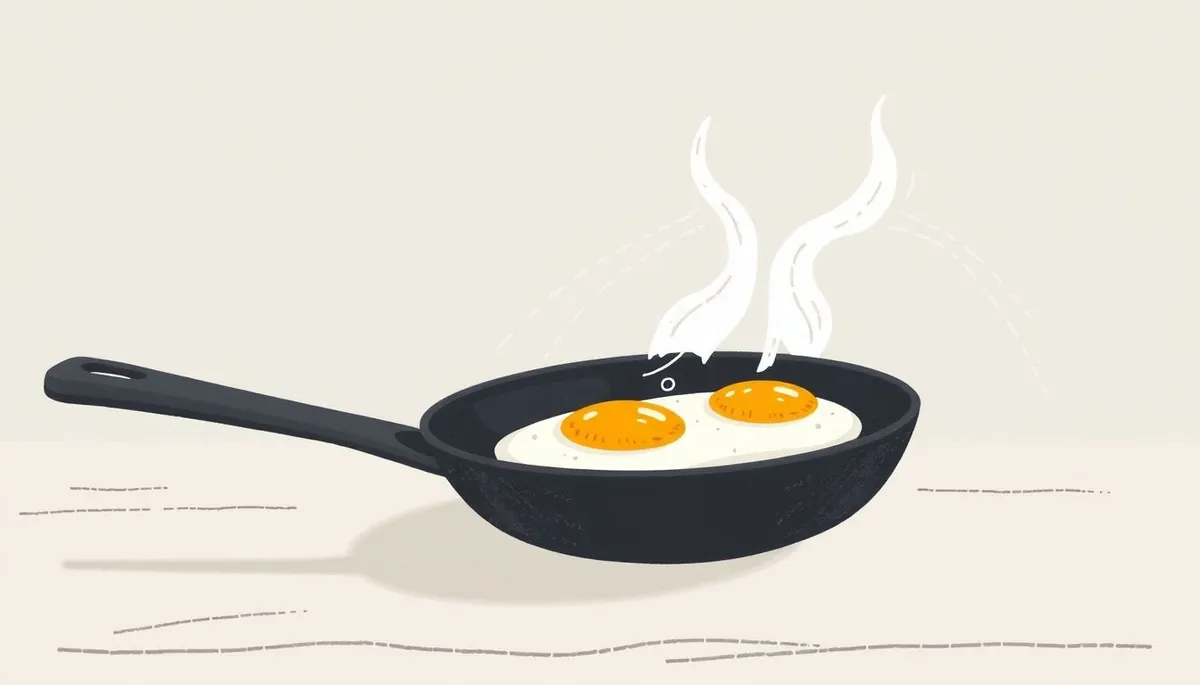
Carbon Steel Skillet for Eggs: Achieving a Non-Stick Surface
Carbon steel skillets are prized for their responsiveness to heat and their ability to develop a naturally non-stick surface, making them a favorite among chefs. But can you really cook eggs without them sticking? The answer is a resounding yes, but it requires understanding the nuances of carbon steel and mastering a few key techniques. This guide will walk you through everything you need to know to achieve perfect, non-stick eggs every time with your carbon steel skillet.
Why Carbon Steel for Eggs?
Before diving into the how-to, let’s explore why carbon steel is a great choice for cooking eggs:
- Heat Responsiveness: Carbon steel heats up quickly and evenly, allowing for precise temperature control, crucial for cooking eggs.
- Durability: These pans are incredibly durable and can withstand high heat, making them versatile for various cooking methods.
- Natural Non-Stick: With proper seasoning and use, carbon steel develops a slick, non-stick patina that rivals Teflon.
- Lighter than Cast Iron: Compared to cast iron, carbon steel is lighter and easier to maneuver, making it more comfortable for everyday use.
Preparing Your Carbon Steel Skillet
The key to non-stick eggs in a carbon steel skillet lies in proper preparation. This involves two essential steps: seasoning and preheating.
Seasoning is King
Seasoning is the process of baking layers of oil onto the surface of the pan, creating a polymerized coating that prevents food from sticking. A well-seasoned pan has a dark, smooth, and almost glassy finish.
Here’s how to season your carbon steel skillet (or deepen an existing seasoning):
- Clean the Pan: Thoroughly wash the skillet with hot, soapy water to remove any manufacturing oils or debris. Dry it completely.
- Apply a Thin Layer of Oil: Use a high-smoke-point oil like grapeseed, flaxseed, or canola oil. Apply a very thin layer to the entire surface of the pan, inside and out. The goal is to almost wipe the oil off completely, leaving only a microscopic layer.
- Bake: Place the skillet upside down in a preheated oven at 450-500°F (232-260°C) for one hour. Place a baking sheet on the rack below to catch any drips.
- Cool and Repeat: Let the pan cool completely in the oven. Repeat steps 2 and 3 at least three times, preferably more, to build a strong base layer of seasoning.
Important Note: The key to successful seasoning is thin layers of oil. Too much oil will result in a sticky, uneven finish.
Preheating: The Make-or-Break Step
Preheating is just as crucial as seasoning. A properly preheated pan ensures the egg proteins coagulate quickly, preventing them from sticking to the surface.
Here’s how to preheat your carbon steel skillet:
- Medium-Low Heat: Place the skillet on a burner over medium-low heat. This allows the pan to heat evenly without warping or developing hot spots.
- Patience is a Virtue: Let the pan preheat for at least 5-7 minutes. A good way to test if it’s ready is to flick a few drops of water onto the surface. If the water beads up and dances around, the pan is hot enough.
- Add Fat: Once the pan is preheated, add your cooking fat. Butter, ghee, or oil (like avocado or olive oil) are all good choices. Let the fat melt and coat the entire surface of the pan.
Cooking Eggs in Carbon Steel: The Right Technique
With a properly seasoned and preheated pan, you’re ready to cook some eggs. Here’s a step-by-step guide:
- Crack the Eggs: Crack your eggs into a small bowl. This makes it easier to pour them into the pan without breaking the yolks.
- Gentle Pour: Gently pour the eggs into the hot skillet.
- Low and Slow: Cook the eggs over low to medium-low heat. This prevents them from cooking too quickly and sticking.
- Don’t Rush: Let the eggs cook undisturbed for a minute or two, until the edges begin to set.
- Gentle Release: Use a thin, flexible spatula to gently loosen the edges of the eggs from the pan.
- Cook to Your Liking: Continue cooking the eggs until they reach your desired level of doneness. For over-easy eggs, flip them gently and cook for another 30 seconds.
- Serve Immediately: Remove the eggs from the pan and serve immediately.
Troubleshooting Sticky Eggs
Even with proper preparation and technique, eggs can sometimes stick. Here are some common causes and solutions:
- Pan Not Hot Enough: If the pan isn’t hot enough, the eggs will spread out and stick. Make sure to preheat it thoroughly.
- Too Much Heat: Conversely, too much heat can cause the eggs to cook too quickly and stick. Reduce the heat to medium-low.
- Insufficient Fat: Not enough fat can also cause sticking. Make sure the entire surface of the pan is coated with a thin layer of oil or butter.
- Impatient Flipping: Trying to flip the eggs before they’re ready can cause them to tear and stick. Let them cook undisturbed until the edges are set.
- Damaged Seasoning: If your seasoning is damaged, the eggs are more likely to stick. Re-season the pan as needed.
Maintaining Your Carbon Steel Skillet
Proper maintenance is essential for preserving the seasoning and ensuring your carbon steel skillet remains non-stick for years to come.
Cleaning and Care
- Clean Immediately: Clean the skillet immediately after use while it’s still warm.
- Hot Water Only: Use hot water and a non-abrasive sponge or brush to clean the pan. Avoid using soap unless absolutely necessary, as it can strip the seasoning.
- Stubborn Food: For stubborn food particles, add a tablespoon of coarse salt to the pan and scrub with a paper towel.
- Dry Thoroughly: After cleaning, dry the skillet completely with a clean towel.
- Stovetop Drying: Place the skillet on a burner over low heat to ensure it’s completely dry.
- Oil Lightly: Once the pan is dry, apply a very thin layer of oil to the entire surface.
- Heat Again: Heat the pan until the oil just starts to smoke, then remove from heat and let cool. This helps the oil polymerize and maintain the seasoning.
Dealing with Rust
If your carbon steel skillet develops rust, don’t panic. It’s a common occurrence and can be easily fixed.
- Remove the Rust: Use steel wool or a rust eraser to gently remove the rust.
- Wash and Dry: Wash the pan with hot, soapy water and dry it thoroughly.
- Re-season: Re-season the pan as described above.
Is Carbon Steel Better than Cast Iron for Eggs?
While both carbon steel and cast iron can be used to cook eggs, there are subtle differences that make carbon steel a slightly better choice for some cooks. Carbon steel’s lighter weight makes it easier to maneuver, especially when flipping delicate eggs. Its faster heating and cooling also allow for more precise temperature control. However, cast iron retains heat exceptionally well, which can be an advantage for certain egg preparations, like frittatas or baked eggs.
If you’re looking for an affordable and versatile cast iron skillet, the Lodge Seasoned Cast Iron Skillet 10.25 Inches is a great option to start with, although it won’t be as light or heat-responsive as carbon steel.
Ultimately, the best pan for cooking eggs depends on your personal preferences and cooking style. But with proper care and technique, a carbon steel skillet can become your go-to for perfect, non-stick eggs every time.
