CAST IRON COOKWARE, TESTED
Cast iron should outlive you. Most modern pieces won’t.
Skillets, dutch ovens, griddles, and carbon steel reviewed across 60 days of real cooking — acidic sauces, smash burgers, oven-baked bread, induction cooktops. We tell you which heritage brands earn their price and which $30 imports are quietly better than the boutique darlings.
Every pan bought at retail. Tested 60 days minimum. Seasoned, abused, recovered. No manufacturer samples and no sponsorships.
Best Cast Iron Wok for Stir-Frying: High Heat and Seasoning Tips
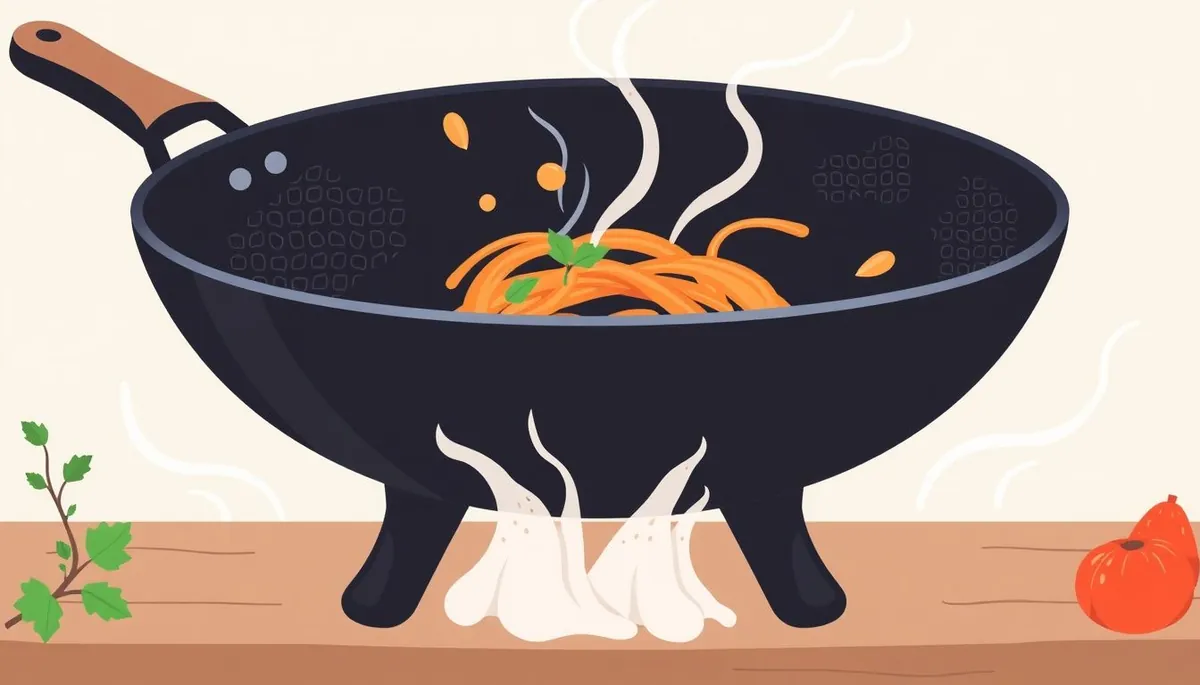
The wok hei – that elusive, slightly smoky, intensely flavorful essence of restaurant-quality stir-fries – is something many home cooks chase. While a traditional carbon steel wok is often recommended, a cast iron wok offers its own set of advantages, particularly in heat retention and durability. But unlocking its potential requires understanding how to season it properly and use it to achieve those high-heat results.
Why Choose a Cast Iron Wok?
Compared to carbon steel, cast iron offers:
- Superior Heat Retention: Cast iron holds heat exceptionally well. This is crucial for maintaining consistent temperatures when adding ingredients to the wok, preventing the oil from cooling down and creating a steamed, rather than stir-fried, result.
- Durability: A well-maintained cast iron wok can truly last for generations. Carbon steel, while durable, is more prone to warping or denting with heavy use.
- Induction Cooktop Compatibility: Cast iron woks are a great choice for induction cooktops, where heat distribution can be uneven with thinner materials. The thickness of cast iron helps to spread the heat more evenly. You can also go directly from the stovetop into the oven for keeping food warm.
- Developing a Thick Seasoning: The rougher surface of most cast iron provides a superior base for seasoning compared to modern, pre-seasoned carbon steel.
However, cast iron woks also have drawbacks:
- Weight: Cast iron is significantly heavier than carbon steel. This makes the tossing and maneuvering techniques common in stir-frying more challenging.
- Slower to Heat Up: Cast iron takes longer to reach the desired temperature than carbon steel. Patience is key.
- Uneven Heating: Especially on gas stoves, the sides of a cast iron wok may not get as hot as the bottom cooking surface.
Seasoning Your Cast Iron Wok for Stir-Frying Success
Proper seasoning is paramount for any cast iron cookware, but it’s especially crucial for a wok used for high-heat stir-frying. Here’s how to build a durable, non-stick seasoning:
- Initial Cleaning: If your wok is pre-seasoned, you can skip straight to using it. If it is bare cast iron, wash the wok thoroughly with hot, soapy water and a stiff brush to remove any manufacturing oils or debris. Dry it completely.
- First Layer of Seasoning: Apply a very thin layer of oil with a high smoke point (grapeseed, canola, or refined coconut oil work well) to the entire wok, inside and out. Wipe off all excess oil with a clean, lint-free cloth. The goal is to leave the thinnest possible layer.
- Baking: Place the wok upside down in a preheated oven at 450°F (232°C). Bake for one hour. Let the wok cool completely in the oven.
- Repeat: Repeat steps 2 and 3 at least three times, preferably five or six, to build a solid base layer of seasoning.
- Stovetop Seasoning (Optional): After oven seasoning, heat the wok on the stovetop until it just starts to smoke. Add a teaspoon of oil and swirl it around the pan. Continue heating until the smoking stops. Let it cool. This can help further harden the seasoning.
Why the thin layers? Thick layers of oil will polymerize unevenly, resulting in a sticky, gummy surface that is prone to flaking. Thin layers ensure a hard, durable finish.
Which oil to use? Grapeseed oil is a popular choice due to its high smoke point (around 420°F) and neutral flavor. Flaxseed oil was once popular, but it is more prone to flaking and is no longer recommended.
Achieving High-Heat Stir-Frying with Cast Iron
Mastering the cast iron wok for stir-frying is all about managing heat and technique:
- Preheating is Key: Unlike carbon steel, a cast iron wok needs ample preheating time. Place the wok over medium-high heat and let it heat for at least 10-15 minutes. The wok should be hot enough that a drop of water sizzles and evaporates almost instantly.
- Don’t Overcrowd: Add ingredients in batches to avoid lowering the temperature of the wok. Overcrowding leads to steaming, not stir-frying.
- Use High Smoke Point Oils: As mentioned above, use oils with high smoke points like grapeseed, canola, or peanut oil. Avoid olive oil, which has a lower smoke point and will burn at high temperatures.
- Master the Wok Hay Flip: While the weight of a cast iron wok makes traditional tossing difficult, you can still achieve good results. Use a spatula or wok shovel to flip and move the ingredients quickly and efficiently. Focus on scraping ingredients up the sides of the wok to expose them to maximum heat.
- Be Patient: Cast iron takes time to heat up and cool down. Don’t rush the process. Allow the wok to fully preheat before adding oil and ingredients, and let it cool completely before washing.
Important Tip: If your wok is sticking, it’s likely not hot enough or the seasoning is not fully developed. Continue to build up the seasoning with regular use, and ensure the wok is thoroughly preheated before each cooking session.
Maintaining Your Cast Iron Wok
Proper maintenance will ensure your cast iron wok lasts for years and continues to improve with age:
- Cleaning: Clean the wok immediately after use with hot water and a soft sponge or brush. Avoid using harsh soaps or scouring pads, as these can damage the seasoning. If food is stuck, try simmering water in the wok for a few minutes to loosen it.
- Drying: Dry the wok thoroughly with a clean towel.
- Oiling: After drying, apply a very thin layer of oil to the entire wok. Wipe off any excess oil.
- Heating (Optional): Heat the wok on the stovetop until it just starts to smoke to help the oil polymerize and further protect the seasoning.
- Storage: Store the wok in a dry place to prevent rust. You can place a paper towel inside to absorb any moisture.
Dealing with Rust: If rust appears, don’t panic! Scrub it off with steel wool, wash the wok thoroughly, and re-season it following the steps above.
Re-Seasoning: If the seasoning becomes damaged or uneven, you can re-season the wok by repeating the seasoning process.
While not specifically designed as a wok, the Lodge Round Seasoned Cast Iron Griddle, 10.5 Inches can work in a pinch for smaller stir-fries. Its shallow depth allows for decent heat distribution and easy access.
Is a Cast Iron Wok Right for You?
A cast iron wok is a great option for home cooks who prioritize heat retention, durability, and induction cooktop compatibility. However, the weight and slower heating time may be drawbacks for some.
If you’re new to stir-frying, a lighter carbon steel wok might be a more forgiving option to start with. But if you’re looking for a wok that will last a lifetime and deliver exceptional heat retention for truly authentic stir-fries, a well-seasoned cast iron wok is an excellent choice. Consider pairing it with a Lodge Seasoned Cast Iron Skillet, 12-Inches for other cooking tasks.
