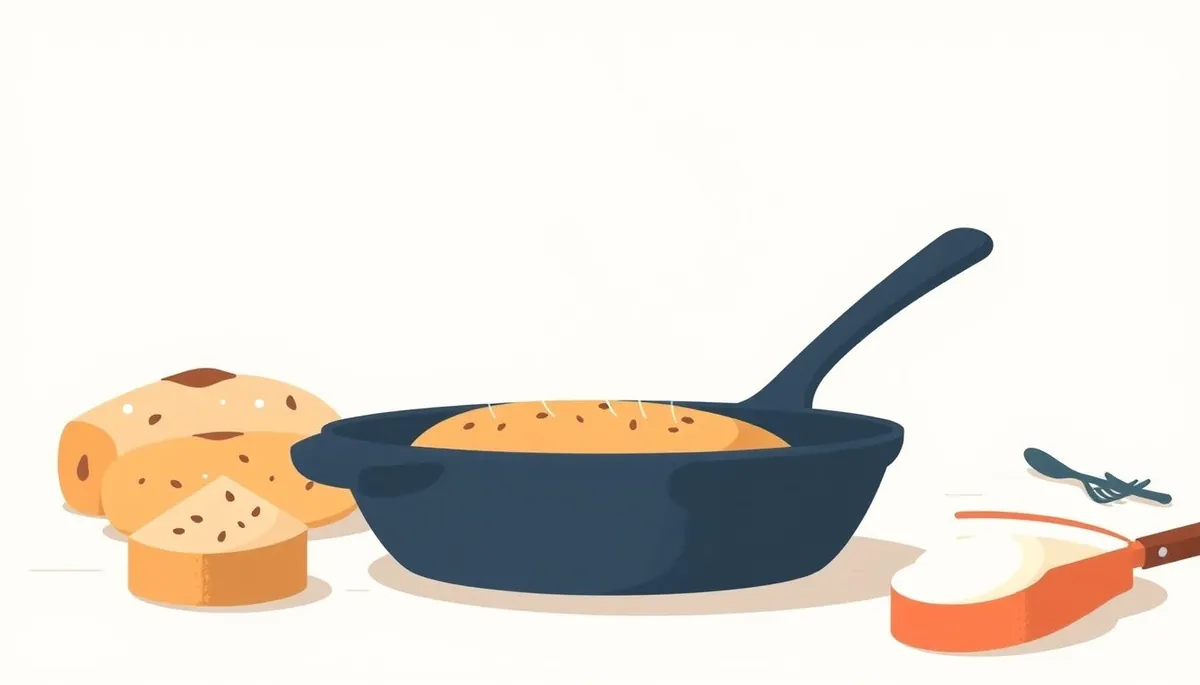
CAST IRON COOKWARE, TESTED
Cast iron should outlive you. Most modern pieces won’t.
Skillets, dutch ovens, griddles, and carbon steel reviewed across 60 days of real cooking — acidic sauces, smash burgers, oven-baked bread, induction cooktops. We tell you which heritage brands earn their price and which $30 imports are quietly better than the boutique darlings.
Every pan bought at retail. Tested 60 days minimum. Seasoned, abused, recovered. No manufacturer samples and no sponsorships.
Cast iron is known for searing steaks and simmering stews, but its versatility extends far beyond the stovetop. A well-seasoned cast iron skillet is a surprisingly effective baking tool, capable of producing everything from golden cornbread to perfectly crusty cookies. But not all skillets are created equal when it comes to baking. Let’s explore what makes a skillet ideal for baking and how to get the best results.
Why Bake with a Cast Iron Skillet?
Cast iron offers several advantages for bakers:
- Even Heating: Cast iron distributes heat remarkably evenly, preventing hot spots that can lead to unevenly baked goods. This is crucial for cakes, cookies, and other items where consistent temperature is essential.
- Excellent Heat Retention: Once heated, cast iron holds its temperature exceptionally well. This consistent heat ensures a beautifully browned crust and a thoroughly cooked interior.
- Versatility: A cast iron skillet can move seamlessly from stovetop to oven, making it ideal for recipes that require both searing and baking.
- Superior Crust: The high heat retention of cast iron creates a crisp, golden-brown crust that’s hard to achieve with other baking pans. Think perfectly browned cornbread or a deep-dish pizza with a satisfyingly crunchy base.
- Durability: A properly cared-for cast iron skillet will last for generations, making it a worthwhile investment for any home baker.
Choosing the Right Cast Iron Skillet for Baking
While any cast iron skillet can be used for baking, certain features make some skillets better suited for the task than others.
Size Matters
A 10-inch or 12-inch skillet is a versatile choice for most baking needs. A 10-inch skillet is ideal for smaller cakes, cookies, and cornbread, while a 12-inch skillet is better for larger batches and deep-dish pizzas. Consider the /products/b00006jsub-lodge-seasoned-cast-iron-skillet-12-inches-pfas-free-non-tox/ for its wide cooking surface and reliable performance.
Smooth Surface
A smoother cooking surface is desirable for baking, as it reduces the chances of food sticking and makes cleanup easier. Vintage cast iron skillets often have smoother surfaces than modern ones, but some modern manufacturers are now producing skillets with a smoother finish. While not essential, a smoother surface is a definite plus for baking delicate items like cakes.
Handle Design
Consider the handle design of the skillet. A comfortable, ergonomic handle is essential for safely transferring the skillet from the oven to the stovetop. Look for a handle that provides a secure grip, even when wearing oven mitts. Some skillets also feature a helper handle on the opposite side, which can be particularly useful for heavier skillets.
Essential Baking Tips for Cast Iron Skillets
Baking with cast iron requires a slightly different approach than using traditional baking pans. Here are some tips to ensure success:
Preheating is Key
Always preheat your cast iron skillet before adding batter or dough. This ensures even cooking and a crisp crust. Preheat the skillet in the oven at the recipe’s specified temperature for at least 15-20 minutes. For stovetop-to-oven recipes, preheat the skillet on the stovetop over medium heat before adding ingredients.
Grease and Flour
Even with a well-seasoned skillet, it’s essential to grease and flour the pan before baking. This prevents sticking and makes it easier to remove the baked goods. Use butter or shortening to grease the pan, then dust it with flour, tapping out any excess. For chocolate cakes, consider using cocoa powder instead of flour to prevent a white film from forming on the cake.
Adjust Cooking Time
Cast iron heats up quickly and retains heat well, so you may need to reduce the cooking time slightly. Start checking for doneness a few minutes before the recipe’s suggested time. A toothpick inserted into the center of the baked good should come out clean or with a few moist crumbs.
Let Cool Slightly
Allow the baked good to cool in the skillet for 10-15 minutes before attempting to invert it or slice it. This allows the baked good to firm up slightly, making it easier to remove without breaking. For items that are prone to sticking, run a knife around the edge of the skillet before inverting.
Mastering Temperature Control
Cast iron’s heat retention is a double-edged sword. While it helps maintain consistent temperature, it can also lead to over-browning if not managed correctly.
-
Lower Rack Placement: Position your skillet on a lower rack in the oven to prevent the top from browning too quickly.
-
Oven Thermometer: Use an oven thermometer to ensure your oven is accurately calibrated. Cast iron amplifies any temperature discrepancies.
-
Tent with Foil: If the top of your baked good is browning too quickly, tent it loosely with aluminum foil.
Cast Iron Skillet Baking Recipes to Try
Here are a few recipes that shine when baked in a cast iron skillet:
Skillet Cornbread
A classic cast iron recipe, skillet cornbread boasts a crisp, golden-brown crust and a moist, tender interior. The cast iron skillet ensures even heating and a satisfying crunch.
- Preheat your cast iron skillet in a 400°F (200°C) oven for 15 minutes.
- In a bowl, whisk together 1 cup cornmeal, 1 cup all-purpose flour, 1/4 cup sugar, 1 teaspoon baking powder, 1/2 teaspoon baking soda, and 1/2 teaspoon salt.
- In a separate bowl, whisk together 1 cup buttermilk, 1/4 cup melted butter, and 1 egg.
- Pour the wet ingredients into the dry ingredients and stir until just combined.
- Carefully remove the hot skillet from the oven and add 2 tablespoons of butter. Swirl to coat the bottom and sides of the skillet.
- Pour the batter into the skillet and bake for 20-25 minutes, or until a toothpick inserted into the center comes out clean.
- Let cool slightly before slicing and serving.
Skillet Chocolate Chip Cookie
A giant, gooey chocolate chip cookie baked in a cast iron skillet is a crowd-pleaser. The skillet creates a crispy edge and a soft, chewy center.
- Preheat your oven to 350°F (175°C).
- In a bowl, cream together 1/2 cup softened butter, 1/2 cup granulated sugar, and 1/4 cup brown sugar.
- Beat in 1 egg and 1 teaspoon vanilla extract.
- In a separate bowl, whisk together 1 1/4 cups all-purpose flour, 1/2 teaspoon baking soda, and 1/4 teaspoon salt.
- Gradually add the dry ingredients to the wet ingredients, mixing until just combined.
- Stir in 1 cup chocolate chips.
- Press the dough into a well-greased 10-inch cast iron skillet.
- Bake for 20-25 minutes, or until the edges are golden brown and the center is still slightly soft.
- Let cool slightly before slicing and serving. Top with a scoop of ice cream for an extra-indulgent treat.
Dutch Baby Pancake
A Dutch baby pancake, also known as a German pancake, is a light and airy pancake baked in a cast iron skillet. It puffs up dramatically in the oven and is typically served with powdered sugar and lemon wedges. For this, you might consider the /products/b0009jkg9m-lodge-cast-iron-combo-cooker-pfas-free-2-in-1-3-2-quart-deep/ for its versatility.
- Preheat your oven to 425°F (220°C) with a 10-inch cast iron skillet inside.
- In a blender, combine 3 eggs, 1/2 cup all-purpose flour, 1/2 cup milk, 1 tablespoon sugar, and 1/4 teaspoon salt. Blend until smooth.
- Carefully remove the hot skillet from the oven and add 2 tablespoons of butter. Swirl to coat the bottom and sides of the skillet.
- Pour the batter into the skillet and bake for 20-25 minutes, or until the pancake is puffed up and golden brown.
- Dust with powdered sugar and serve immediately with lemon wedges.
Maintaining Your Cast Iron Skillet for Baking
Proper care is essential to maintain the seasoning and performance of your cast iron skillet.
- Clean After Each Use: Clean the skillet immediately after use with warm water and a non-abrasive sponge. Avoid using soap unless necessary, as it can strip the seasoning.
- Dry Thoroughly: Dry the skillet thoroughly with a clean towel.
- Season After Cleaning: After drying, heat the skillet on the stovetop over medium heat until it’s completely dry. Then, add a teaspoon of oil (such as flaxseed or grapeseed) and rub it into the skillet with a clean cloth. Heat until smoking, then remove from heat and let cool.
- Store Properly: Store the skillet in a dry place to prevent rust. Place a paper towel or cloth between the skillet and other pans to protect the seasoning.
With proper care and a little practice, your cast iron skillet will become your go-to baking pan for years to come.
