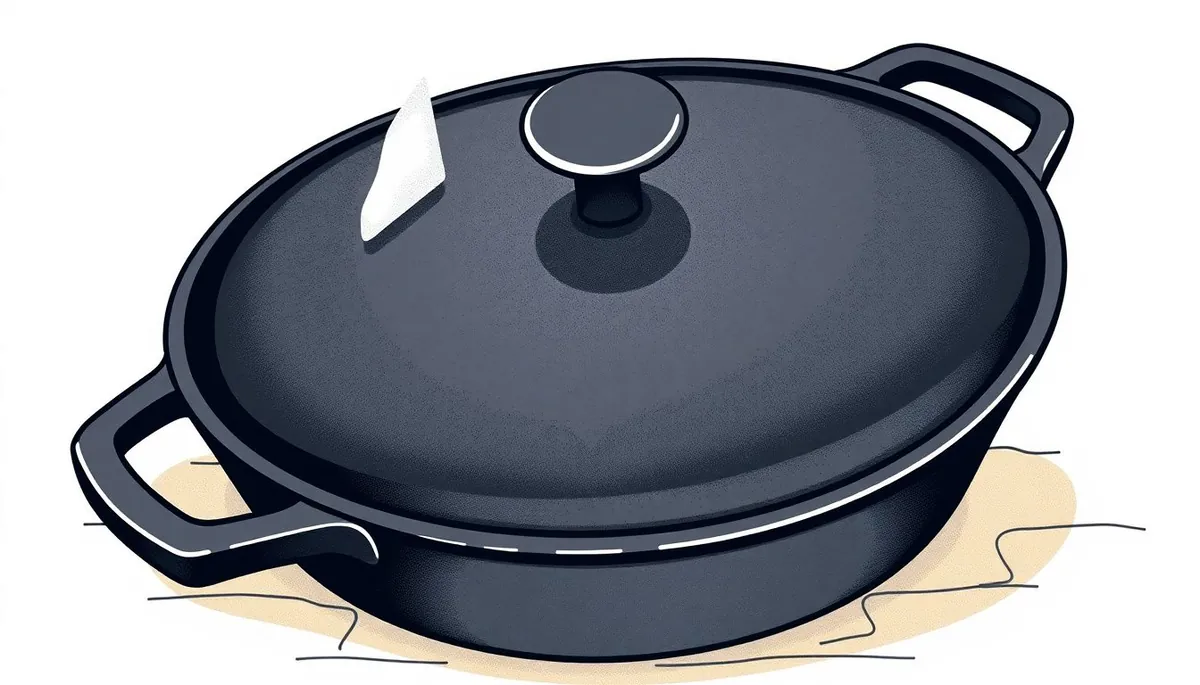
The Best Cast Iron Lid for Your Skillet: Sizes, Materials, and Compatibility
Choosing the right cast iron lid for your skillet is crucial for everything from braising meats to baking bread. A good lid can trap heat and moisture, leading to more even cooking and delicious results. But with so many sizes, materials, and brands available, finding the perfect fit can feel overwhelming. This guide breaks down everything you need to know to select the best cast iron lid for your needs.
Why Use a Cast Iron Lid?
Cast iron lids offer several advantages over glass or stainless steel:
- Heat Retention: Cast iron excels at retaining heat, ensuring consistent temperatures inside your skillet. This is especially important for slow cooking, braising, and baking.
- Even Cooking: A heavy cast iron lid distributes heat evenly, preventing hot spots and promoting uniform cooking.
- Durability: Cast iron lids are incredibly durable and can withstand high temperatures without warping or cracking. They’ll outlast any glass lid.
- Versatility: Many cast iron lids are oven-safe, allowing you to seamlessly transition from stovetop to oven. Some can even be used as a griddle (like the lid from a Lodge Combo Cooker[/products/b0009jkg9m-lodge-cast-iron-combo-cooker-pfas-free-2-in-1-3-2-quart-deep/]).
- Moisture Control: Lids help trap moisture, which is essential for braising and steaming. The condensation that forms on the lid drips back down, keeping your food moist.
Understanding Lid Sizes and Compatibility
The most important factor in choosing a cast iron lid is ensuring it fits your skillet. Here’s how to determine the correct size and compatibility:
Measuring Your Skillet
- Measure the Diameter: Use a measuring tape to measure the inside diameter of your skillet rim-to-rim. This is the key measurement for finding a compatible lid.
- Consider the Shape: Skillets come in round, square, and oval shapes. Make sure the lid you choose matches the shape of your skillet. A round lid won’t work on a square grill pan[/products/b0000cf66w-lodge-square-cast-iron-grill-pan-10-5-inches-pre-seasoned-sq/].
- Account for Variations: Even skillets labelled the same size can vary slightly. Don’t assume a 12-inch lid will fit all 12-inch skillets perfectly. It’s always best to measure.
Common Lid Sizes and Skillet Matches
- 6.5-inch Lid: Fits smaller skillets, often used for personal servings or side dishes. Matches the Lodge 6.5-inch skillet[/products/b00063rwt8-lodge-seasoned-cast-iron-skillet-6-5-inches-pfas-free-non-to/].
- 8-inch Lid: Suitable for smaller skillets, good for eggs or single-portion meals.
- 10.25-inch Lid: A versatile size that fits many standard skillets. Matches the Lodge 10.25-inch skillet[/products/b00006jsua-lodge-seasoned-cast-iron-skillet-10-25-inches-pfas-free-non/].
- 12-inch Lid: Ideal for larger skillets used for family-sized meals. Matches the Lodge 12-inch skillet[/products/b00006jsub-lodge-seasoned-cast-iron-skillet-12-inches-pfas-free-non-tox/].
- 13.25-inch Lid: Often used for larger skillets and some Dutch ovens.
- 17-inch Lid: For oversized skillets, often with loop handles.[/products/b00063rwvg-lodge-seasoned-cast-iron-skillet-17-inches-features-2-loop-h/]
Brand Compatibility
While universal lids exist, matching the lid to the skillet brand often ensures the best fit. Here are a few considerations:
- Lodge: Lodge lids are generally compatible with Lodge skillets of the same size. Their lids are readily available and relatively affordable.
- Field: Field Company skillets have a slightly different design, so it’s best to use a Field Company lid for the best fit.
- Vintage Skillets: Finding lids for vintage skillets can be tricky. You may need to search for vintage lids online or consider a universal lid that closely matches the diameter.
Materials and Features to Consider
Beyond size, the material and features of a cast iron lid can impact its performance and usability.
Cast Iron vs. Other Materials
- Cast Iron: Offers superior heat retention and even cooking. It’s durable and oven-safe. The downside is weight.
- Glass: Allows you to monitor cooking progress without lifting the lid. However, glass doesn’t retain heat as well as cast iron and can be prone to shattering at high temperatures.
- Stainless Steel: Durable and easy to clean, but doesn’t offer the same heat retention as cast iron.
For braising and truly even heat, stick with cast iron.
Lid Features
- Self-Basting Lids: Feature small bumps or ridges on the underside that collect condensation and redistribute it evenly over the food. This helps keep food moist during cooking.
- Handles: Look for lids with comfortable and heat-resistant handles. Some lids have loop handles, while others have knobs.
- Weight: Consider the weight of the lid. A heavier lid will provide a better seal and retain more heat, but it can also be more difficult to handle.
- Pre-Seasoning: Like skillets, cast iron lids can be pre-seasoned. A pre-seasoned lid is ready to use right out of the box and will resist rusting.
- Vented vs. Unvented: Vented lids allow some steam to escape, preventing food from becoming soggy. Unvented lids trap more moisture, which is ideal for braising.
Maintaining Your Cast Iron Lid
Proper maintenance will ensure your cast iron lid lasts for generations.
Cleaning and Seasoning
- Clean After Each Use: Wash the lid with warm water and a mild soap. Avoid harsh detergents or abrasive scrubbers, which can damage the seasoning.
- Dry Thoroughly: Immediately dry the lid with a clean towel. Moisture is the enemy of cast iron.
- Season Regularly: After drying, apply a thin layer of cooking oil (such as flaxseed or grapeseed) to the lid and bake it in the oven at 350°F (175°C) for one hour. This will help maintain the seasoning and prevent rust.
- Address Rust: If rust appears, scrub it off with steel wool, then re-season the lid.
Storage
- Store in a Dry Place: Store the lid in a dry place to prevent rust.
- Protect the Seasoning: Place a paper towel between the lid and the skillet to prevent the seasoning from scratching.
Alternatives to Dedicated Cast Iron Lids
Sometimes, a dedicated cast iron lid isn’t necessary, or you might need a temporary solution.
Universal Lids
Universal lids are designed to fit a variety of skillet sizes. They typically have a stepped design that allows them to sit securely on different-sized rims. While convenient, they may not provide as tight a seal as a fitted cast iron lid.
Aluminum Foil
A simple sheet of aluminum foil can be used as a makeshift lid. It won’t retain heat as well as cast iron, but it can help trap moisture.
Baking Sheets
An inverted baking sheet can also serve as a lid. Choose a baking sheet that’s slightly larger than the skillet.
Dutch Oven Lids
In a pinch, the lid from a Dutch oven can sometimes fit a similarly sized skillet. For example, the lid from a 5-quart Dutch oven[/products/b00063rwyi-lodge-cast-iron-dutch-oven-5-quart-loop-handle-cooking-vesse/] might fit a 12-inch skillet, though the fit won’t be perfect.
Choosing the right cast iron lid is an investment in your cooking. By understanding the sizes, materials, and features available, you can find a lid that will enhance your cooking experience for years to come. Remember to measure your skillet, consider your cooking needs, and maintain your lid properly. With the right lid, you’ll be able to braise, bake, and simmer your way to culinary perfection.
