CastIronCanon is reader-supported. When you buy through links on our site, we may earn an affiliate commission.
CAST IRON COOKWARE, TESTED
Phone cases · 15% off first order
Phone Case GiftThey pick the model · 2 minutes Code FIRST15GIFT
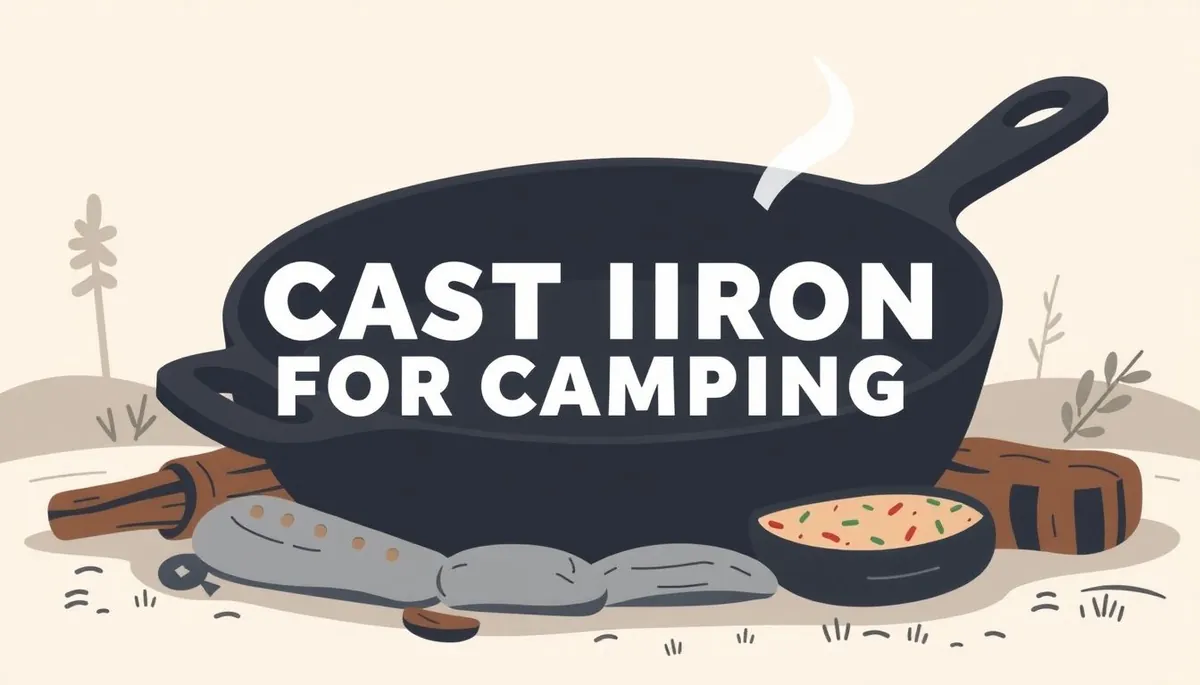
Best Cast Iron for Camping: Dutch Ovens, Skillets, and Care Tips
Cast iron should outlive you. Most modern pieces won’t.
Skillets, dutch ovens, and even pie irons are fantastic additions to any car camping setup. They’re durable, retain heat beautifully, and can handle the high temperatures of a campfire. But using cast iron outdoors presents unique challenges compared to cooking at home. This guide covers choosing the right pieces, caring for them in the field, and a few tips for campfire cooking success.
Every pan bought at retail. Tested 60 days minimum. Seasoned, abused, recovered. No manufacturer samples and no sponsorships.
The cast iron market is full of $300 boutique skillets that are no better than a $30 Lodge, and $30 imports that are quietly worse than the seasoned hand-me-down in your grandmother’s kitchen. We test every piece across acidic, sticky, and high-heat cooking, on gas, electric, and induction, until the seasoning either holds or fails. We tell you what to buy first, what to skip, and how to keep what you have cooking for decades.
Choosing the Right Cast Iron for Camping
Not all cast iron is created equal, especially when it comes to camping. Consider these factors when selecting your cookware:
Dutch Ovens: Legs vs. Flat Bottoms
For camping, a Dutch oven with legs is essential if you plan to cook directly over coals. The legs provide clearance, allowing you to distribute heat evenly underneath the oven. A flat-bottomed Dutch oven, while versatile at home, is less practical for campfire cooking unless you have a dedicated stand.
Recommendation: The Lodge Seasoned Cast Iron Camp Dutch Oven with Lid, 10 QuartCheck on Amazon → is a solid choice. Its generous capacity is suitable for feeding a group, and the pre-seasoning is a good starting point, though you’ll still want to maintain it.
Skillets: Size and Handle Design
When selecting a skillet for camping, prioritize portability and ease of use. A 10-inch or 12-inch skillet is a good compromise between cooking surface and manageable weight. Consider the handle design:
- Traditional Long Handle: These offer good leverage but can be awkward to pack.
- Loop Handle: Some larger skillets (like the Lodge Seasoned Cast Iron Skillet, 17 inchesCheck on Amazon →) feature two loop handles, making them easier to lift and maneuver, especially with oven mitts or pot holders.
- Detachable Handles: A few brands offer skillets with detachable handles, which can save space during transport.
Recommendation: A standard Lodge Seasoned Cast Iron Skillet, 10.25 inchesCheck on Amazon → is hard to beat for its versatility and affordability. It’s a workhorse that can handle everything from frying bacon to searing steaks.
Griddles and Grill Pans: Single vs. Reversible
Griddles and grill pans can expand your camping cooking options. A reversible grill/griddle offers the most flexibility, allowing you to cook pancakes on one side and grill burgers on the other. A single-sided griddle is lighter and easier to clean.
Recommendation: The Lodge Pro Grid Reversible Grill/Griddle, 20 inches x 10.5 inchesCheck on Amazon → is a popular choice for its versatility.
Specialty Items: Pie Irons
For a fun camping treat, consider a cast iron pie iron (Coghlan’s Cast Iron Camp CookerCheck on Amazon →). These hinged cookers allow you to make toasted sandwiches, pies, and other campfire snacks.
Weight Considerations
Cast iron is heavy. Before packing, consider the total weight of your cookware and how it will impact your vehicle’s load capacity. For backpacking, cast iron is generally impractical unless you’re willing to carry a significant load.
Caring for Cast Iron While Camping
Phone cases · 15% off first order
Titan CasePrecision fit · 2,000+ designs Code FIRST15TIT
Maintaining your cast iron’s seasoning is crucial for preventing rust and ensuring a non-stick surface. Here’s how to care for your cast iron while camping:
Cleaning After Use
- Remove Food Debris: Scrape out any leftover food particles with a spatula or scraper. For stubborn bits, use a chainmail scrubber or stiff brush.
- Wash with Hot Water: Avoid using soap unless absolutely necessary, as it can strip the seasoning. If you must use soap, opt for a mild dish soap and rinse thoroughly.
- Dry Immediately: Thoroughly dry the cast iron with a clean towel. Don’t let it air dry, as this can lead to rust.
- Apply a Thin Coat of Oil: While the pan is still warm, apply a thin layer of cooking oil (vegetable, canola, or flaxseed oil work well) to all surfaces, including the inside, outside, and handle.
- Heat it Up (If Possible): Ideally, place the oiled cast iron over the campfire or a portable stove for a few minutes to allow the oil to polymerize and bond to the surface. If this isn’t possible, simply wipe off any excess oil with a clean cloth.
Dealing with Rust
If rust appears, don’t panic. It’s usually easy to remove:
- Scrub the Rust: Use steel wool or a rust eraser to scrub away the rust.
- Wash and Dry: Wash the cast iron with hot water and dry it thoroughly.
- Re-season: Re-season the affected area by applying a thin coat of oil and heating it until it smokes. Repeat this process several times to build up a new layer of seasoning. See the article “How to Season Cast Iron: A Step-by-Step Guide for Beginners” for more detailed seasoning instructions.
Storage Tips
- Store Dry: Make sure your cast iron is completely dry before storing it.
- Protect from Moisture: Store cast iron in a dry place to prevent rust. If possible, wrap each piece in a cloth or paper towel to absorb any moisture.
- Avoid Stacking Directly: If you must stack your cast iron, place a paper towel or cloth between each piece to prevent scratching and promote airflow.
Campfire Cooking Tips
Cooking with cast iron over a campfire requires some adjustments compared to cooking on a stovetop.
Heat Control
- Start with a Moderate Fire: Avoid using a roaring fire, as it can cause hot spots and uneven cooking. Build a moderate fire and let it burn down to coals for more consistent heat.
- Use Coals for Baking: For baking in a Dutch oven, arrange coals evenly underneath the oven and on top of the lid. Adjust the number of coals to control the temperature. A general rule of thumb is to use twice as many coals on top as underneath.
- Rotate Regularly: Rotate your cast iron cookware regularly to ensure even cooking, especially when using a Dutch oven or skillet directly over coals. Rotate both the cookware itself and the lid.
Preventing Sticking
- Preheat Thoroughly: Allow your cast iron to preheat thoroughly before adding food. This helps prevent sticking.
- Use Enough Oil: Don’t be afraid to use a generous amount of oil or butter, especially when cooking foods that are prone to sticking.
- Maintain a Good Seasoning: A well-seasoned cast iron surface is naturally non-stick.
Recipes to Try
- Campfire Dutch Oven Bread: Bake a rustic loaf of bread in your Dutch oven using a simple no-knead recipe.
- Foil Packet Dinners: Assemble individual foil packets with meat, vegetables, and seasonings, and cook them directly on the coals or in a Dutch oven.
- One-Pot Pasta: Cook pasta, sauce, and vegetables together in a Dutch oven for a quick and easy meal.
- S’mores Dip: Melt chocolate chips and marshmallows in a cast iron skillet for a decadent dessert.
Cast Iron vs. Other Cookware for Camping
Phone cases · 15% off first order
Phone Cases For CharityEvery case supports a cause Code GIVE10While cast iron is a great choice for camping, it’s not the only option. Here’s a quick comparison to other common camping cookware materials:
- Aluminum: Lightweight and heats up quickly, but doesn’t retain heat as well as cast iron. Prone to warping and damage. Not suitable for high-heat cooking or direct campfire use.
- Stainless Steel: Durable and easy to clean, but doesn’t distribute heat as evenly as cast iron. Can be used over a campfire but requires more attention to prevent scorching.
- Non-Stick: Convenient for cooking eggs and other sticky foods, but the coating can be damaged by high heat and abrasive cleaning tools. Not recommended for direct campfire use.
For car camping where weight isn’t the primary concern, cast iron’s heat retention, durability, and versatility make it an excellent choice. Just remember to practice proper maintenance to keep your cookware in top condition for years of outdoor cooking adventures.