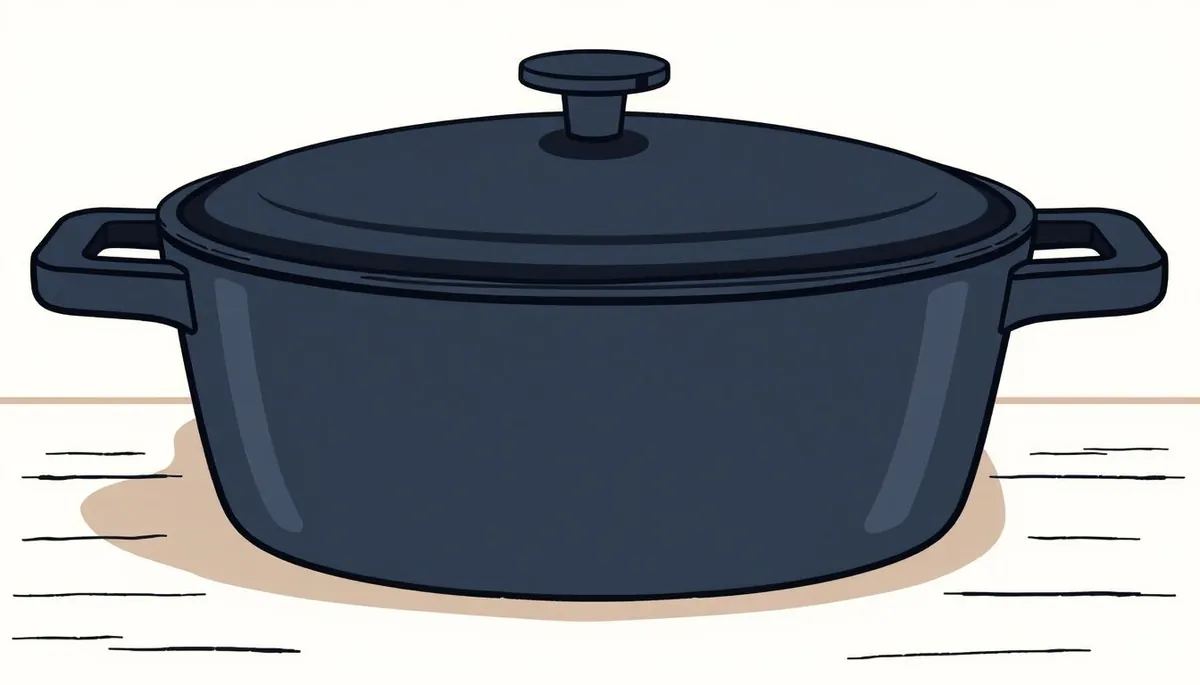
Best Cast Iron Dutch Oven for Bread Baking: Sizes and Shapes Compared
Cast iron Dutch ovens are bread-baking powerhouses. Their even heat distribution and tight-fitting lids create a steamy environment, mimicking a professional baker’s oven and yielding loaves with incredible crust and a soft, airy crumb. But with so many sizes and shapes on the market, choosing the right one for your dutch oven bread can be overwhelming. This guide breaks down the key considerations to help you select the perfect cast iron companion for your bread-baking journey.
Why Cast Iron Dutch Ovens Excel at Bread Baking
Before diving into the specifics of size and shape, let’s quickly recap why cast iron Dutch ovens are superior for bread baking:
- Even Heat Distribution: Cast iron heats evenly and retains heat exceptionally well, preventing hot spots that can lead to uneven baking.
- Steam Creation: The tight-fitting lid traps steam released from the dough, creating a humid environment essential for a crispy crust and optimal oven spring (the rapid expansion of the dough when it first enters the oven).
- Versatility: Beyond bread, Dutch ovens excel at braising, stewing, deep-frying, and more, making them a versatile addition to any kitchen.
Understanding Dutch Oven Sizes for Bread
Size matters when it comes to Dutch oven bread. Too small, and your loaf will overflow. Too large, and the steam will dissipate, hindering crust development. Here’s a breakdown of common sizes and their best uses:
4-Quart Dutch Ovens: Ideal for Smaller Loaves
A 4-quart Dutch oven is a good choice for smaller loaves, typically those made from 500 grams of flour or less. This size is also suitable for smaller households (1-2 people) who don’t need a large loaf of bread.
- Pros: Heats up quickly, easy to store, and good for smaller portions.
- Cons: Limited loaf size, may not be ideal for recipes that require a lot of vertical expansion.
5-6 Quart Dutch Ovens: The Sweet Spot for Most Bakers
This is the most versatile size for most home bakers. A 5-6 quart Dutch oven can comfortably accommodate loaves made from 500-750 grams of flour, a standard size for many bread recipes. The Lodge 5 Quart Dutch Oven is a classic example of this size.
- Pros: Versatile size for a wide range of bread recipes, good balance of heat retention and heating speed.
- Cons: Can be a bit heavy to handle, requires more storage space than smaller sizes.
7+ Quart Dutch Ovens: For Large Loaves and Entertaining
If you regularly bake large loaves (750+ grams of flour) or frequently bake for a crowd, a 7-quart or larger Dutch oven is a worthwhile investment.
- Pros: Can accommodate very large loaves, ideal for entertaining.
- Cons: Takes longer to heat up, very heavy when full, requires significant storage space.
The Lodge Combo Cooker: A Versatile Alternative
The Lodge Combo Cooker is worth a look if you want something that can double as a skillet. The shallow skillet is the perfect depth for many breads, and the lid can function as a small Dutch oven.
Exploring Dutch Oven Shapes for Bread Baking
Beyond size, the shape of your Dutch oven impacts the final result of your dutch oven bread. Round, oval, and even rectangular options exist, each with its own advantages.
Round Dutch Ovens: The Classic Choice
Round Dutch ovens are the most common and versatile shape for bread baking. They promote even heat distribution and are well-suited for round boules (spherical loaves).
- Pros: Excellent heat distribution, versatile for various bread types, widely available.
- Cons: May not be ideal for longer, oblong loaves.
Oval Dutch Ovens: Perfect for Batards and Baguettes
Oval Dutch ovens are specifically designed for baking batards (oval-shaped loaves) and can even accommodate shorter baguettes. The elongated shape allows for better shaping and prevents the loaf from becoming too round.
- Pros: Ideal for batards and shorter baguettes, promotes even baking for oblong loaves.
- Cons: Less versatile than round Dutch ovens for other types of cooking.
Dutch Oven Depth: How it Impacts Your Loaf
The depth of your Dutch oven can also influence your bread. A shallower Dutch oven (around 4 inches deep) allows for easier access when scoring the dough and removing the baked loaf. However, a deeper Dutch oven (5+ inches deep) can provide more room for the loaf to rise and develop a taller shape. The Lodge 5 Quart is a good middle ground.
Essential Considerations Before You Buy
Before you click “add to cart,” consider these crucial factors:
Weight and Handling
Cast iron is heavy, and a full Dutch oven can be very difficult to maneuver, especially when hot. Consider your physical strength and mobility when choosing a size and shape. Look for models with large, easy-to-grip handles.
Lid Fit
A tight-fitting lid is essential for trapping steam and creating the ideal baking environment. Check customer reviews to ensure the lid fits snugly.
Interior Finish
While a bare cast iron interior is perfectly fine, some Dutch ovens have an enamel coating. Enamel-coated interiors are easier to clean and prevent rust, but they can chip or crack if exposed to extreme temperature changes.
Budget
Cast iron Dutch ovens range in price from affordable options like Lodge to high-end brands like Le Creuset and Staub. Consider your budget and baking frequency when making your decision. In most tests, a well-seasoned Lodge performs nearly as well as the more expensive options for bread baking.
Pre-Seasoned vs. Raw Cast Iron
Most new cast iron Dutch ovens come pre-seasoned, meaning they have a thin layer of oil baked onto the surface to prevent rust. While pre-seasoning is convenient, it’s generally best to build your own seasoning over time for optimal performance. If you purchase a raw cast iron Dutch oven, be prepared to season it yourself before using it for the first time. See our guide on how to season cast iron for a step-by-step process.
By carefully considering these factors, you can choose the perfect cast iron Dutch oven to elevate your bread-baking game and create delicious, crusty loaves for years to come.
